

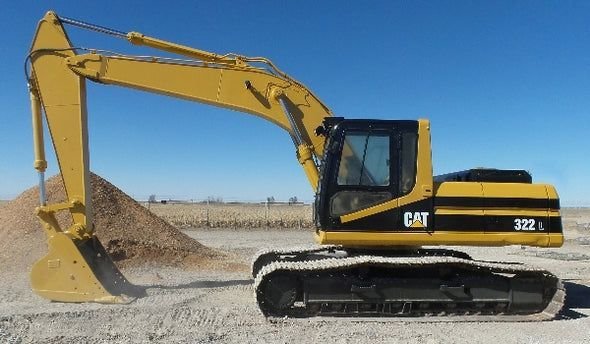
It usually happens on a busy morning. A loader won’t start, a backhoe is leaking hydraulic oil, or an engine throws a code nobody on site recognizes. Someone digs out “the manual,” and it turns out to be for the wrong serial range, the wrong engine, or it’s just the operator’s booklet that came in the cab.
Getting the right manual is easy once you know what to look for. This guide covers the types of manuals, how to match one to your exact machine, and what to check before you buy, whether you run one tractor or a full fleet.
Why the Right Manual Beats Any Manual
Machine families can look identical while the parts underneath change. Manufacturers update hydraulic pumps, wiring harnesses, engine families, and emissions systems partway through a production run. A torque spec or wiring diagram from an earlier version can be close enough to fool you and wrong enough to cost you a part.
A matched manual gives you the correct specs, test procedures, and diagrams for the machine actually sitting in your yard. That means fewer guesses and fewer return trips to the parts counter.
Know Which Type of Manual You Need
Most confusion starts here. “Manual” can mean very different books.
Service or repair manual (shop manual). This is the technician’s book. It covers disassembly and assembly, specifications, torque values, hydraulic and electrical schematics, troubleshooting, and adjustments. If you’re fixing something, this is the one you want.
Operator’s or operation and maintenance manual. This covers controls, daily checks, fluid types and capacities, service intervals, and safe operation. It’s great for running the machine and doing routine maintenance. It won’t walk you through rebuilding a transmission.
Parts manual or parts catalog. This shows exploded views and part numbers. It’s essential for ordering the right components but usually has no repair steps.
Many repairs go best with two books side by side: the service manual to do the work and the parts catalog to order what you need.
Start With the Serial Number, Not Just the Model
The model name gets you close. The serial number gets you the right book.
Find the product identification number (PIN) or serial plate on the machine. It’s often on the frame near the operator station, on the loader tower, or on the engine block for the engine itself. Write down:
- The full model name, including any suffix letters
- The machine serial number or PIN
- The engine model and engine serial number, if you’re working on the engine
- The year of manufacture, if it’s listed
Then compare those details with the serial range listed on the manual. If the manual says it covers a certain serial number and up, and yours is lower, keep looking.
What a Good Service Manual Should Include
Before you rely on a manual, flip through it, or check the table of contents if you’re buying online. A complete shop manual usually includes:
- General information and safety, including specs and standard torque charts
- Engine, fuel, and cooling systems
- Powertrain, transmission, and axles
- Hydraulic system with pressure test procedures
- Electrical system with wiring diagrams and component locations
- Brakes, steering, and the operator’s cab
- Troubleshooting charts and, on newer machines, fault code lists
If the electrical or hydraulic schematics are missing, the manual is probably incomplete, and those are often the pages you’ll need most.
Brand-by-Brand Tips
Every manufacturer organizes its documentation a little differently. A few things worth knowing:
Case Construction Equipment
A Case construction service manual is typically built around a specific model and series, such as a backhoe loader, skid steer, or excavator. Series letters matter a lot with Case. A 580 Super K and a 580 Super M are different machines inside. Case also splits construction and agricultural equipment into separate documentation lines, so make sure you’re looking at the construction side if you own a loader or excavator.
Caterpillar
With Caterpillar, the serial number prefix (the first three characters) tells you a great deal about the machine’s configuration. A Caterpillar repair manual is often organized by system, so you may find separate sections or volumes for the engine, power train, hydraulics, and electrical. Match that prefix before anything else.
Komatsu
Komatsu machines and Komatsu engines often have separate documentation. If your problem is engine-related, such as hard starting, low power, injection trouble, or overheating, a Komatsu engine service manual will go much deeper than the machine shop manual. Check the engine model on the engine’s own nameplate, since the same engine family can appear across several machine models.
New Holland
New Holland covers both farm and construction equipment, and the manuals are kept separate. When you search New Holland service manuals, confirm whether your machine is a tractor or combine on the agricultural side, or a skid steer, compact excavator, or backhoe on the construction side. Also look for the model’s generation or tier rating, because emissions updates often brought new engines and electronics.
Volvo Construction Equipment
Volvo wheel loaders, articulated haulers, and excavators use letter series that matter. An L150F and an L150G are not interchangeable when it comes to systems and diagnostics. Volvo construction manuals are usually tied to specific serial ranges, and newer machines lean heavily on electronic systems, so a manual with full electrical schematics and fault code information is worth the effort to find.
Digital PDF or Printed Copy?
Both have their place.
A PDF manual is searchable, which makes finding a fault code or torque value fast. You can zoom into small wiring diagrams, keep it on a tablet in the shop, and print only the pages you need for a job, so the full book stays clean.
A printed manual holds up better around grease and doesn’t need a charged device. Some shops keep a printed copy on the bench and a PDF on the office computer.
If you buy a PDF, check the scan quality. Blurry diagrams defeat the purpose. A good digital manual has clear text, readable schematics, and bookmarks or a working table of contents.
A Quick Checklist Before You Buy
Run through this before you pay for any manual:
- Manual type: Service, operator, or parts? Make sure it matches the job.
- Model and series: Does the exact model name, including suffix letters, match yours?
- Serial range: Does your serial number fall inside the range the manual covers?
- Engine coverage: If it’s an engine job, do you need a separate engine manual?
- Page count and contents: Is it a full manual or just a section?
- Schematics: Are hydraulic and electrical diagrams included and readable?
- Format: PDF, print, or both, and will it work for how you actually do repairs?
If any of these are unclear, ask the seller before buying. A reputable manual supplier should be able to confirm compatibility for your serial number.
Final Thoughts
A good service manual is one of the cheapest tools in the shop, and it saves time on almost every job. The trick is matching it to your machine, not just the brand or the model name on the side.
Take two minutes to record your model, serial number, and engine details. Decide whether you need a service, operator, or parts manual. Then check the serial range before you buy. Do that, and the next time something breaks, you’ll have specs and diagrams you can trust instead of a book that’s almost right.