

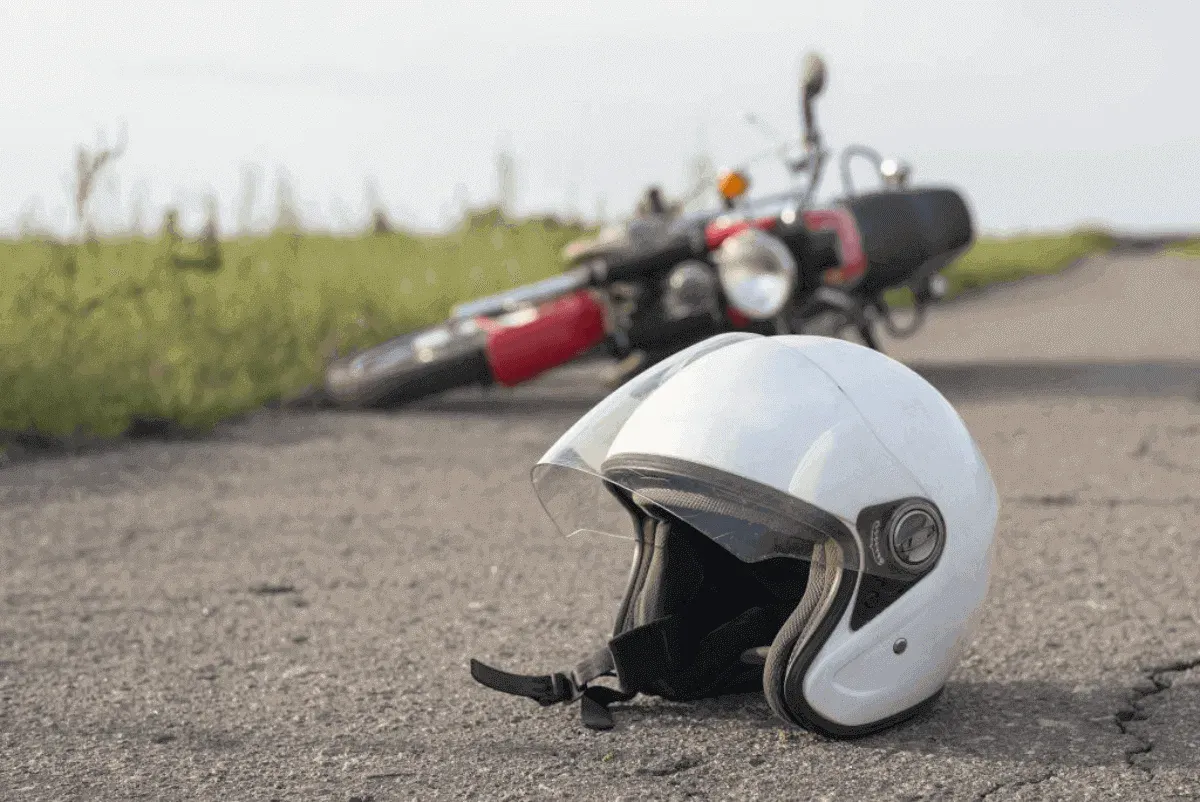
A helmet is the single most important piece of gear you’ll ever buy for riding, yet so many people still choose based on price alone rather than actual safety certification. Here’s a properly researched list of the best bike helmets India offers in 2026.
What Makes a Helmet Genuinely Safe?
Quick answer: A safe helmet must carry ISI certification at minimum (DOT or ECE for international standards), fit snugly without excessive movement, and have a properly functioning strap and visor mechanism — price alone doesn’t determine safety.
1. Studds Shifter
A reliable, ISI-certified helmet at an affordable price point. Good ventilation makes it comfortable for Indian summer riding conditions.
2. Steelbird SBA-1
Offers a good balance of protection and style, with decent padding quality that holds up over regular daily use.
3. Vega Off Road
Popular among touring and adventure riders for its full-face coverage and durability on rough terrain rides.
4. AXOR Apex
A step up in build quality and finish, popular among riders wanting a more premium feel without going for imported brands.
5. Royal Enfield Air-Flow
Designed specifically to pair well with cruiser bikes, offering good airflow for long rides in warm weather.
Full-Face vs Half-Face vs Modular Helmets
- Full-face: Best overall protection, recommended for highway and touring riders
- Half-face: More ventilation and convenience for short city commutes, but noticeably less facial protection
- Modular: Flexibility of both, though generally heavier and pricier [link to our best cruiser bikes guide here]
How to Check If a Helmet Fits Properly
- It should feel snug without pressure points
- Minimal wobble when you shake your head side to side
- The strap should sit comfortably under your chin without excessive slack
- Cheek pads should touch your cheeks without excessive squeezing
When Should You Replace Your Helmet?
Even without visible damage, helmets should be replaced every 5 years as the protective foam degrades over time. Always replace immediately after any accident impact, regardless of visible damage.
FAQs
Q1. Is ISI certification enough or should I look for DOT/ECE too? ISI certification is legally required in India and provides good baseline safety; DOT/ECE certified helmets often offer additional tested protection standards.
Q2. How often should I replace my helmet? Every 5 years under normal use, or immediately after any impact/accident regardless of visible damage.
Q3. Are expensive helmets always safer than budget options? Not necessarily — certification matters more than price, though premium helmets often offer better comfort and additional features.
Q4. Is a full-face helmet necessary for city riding? While not mandatory, full-face helmets offer significantly better protection even for short city commutes.
Q5. How do I clean my helmet’s interior padding? Most helmets have removable, washable interior padding — check the manufacturer’s care instructions for specific cleaning guidelines.
Conclusion
Don’t compromise on your helmet to save a few hundred rupees — it’s genuinely the one purchase where cutting corners can have irreversible consequences. Try helmets on in person before buying online, since fit varies noticeably between brands and models. [Link to our best 125cc bikes guide here]
Alt text suggestions:
- “Bike helmet safety certification labels comparison”
- “Rider wearing full-face helmet on motorcycle”
- “Helmet fitting check demonstration”
 P1
P1 P2
P2