

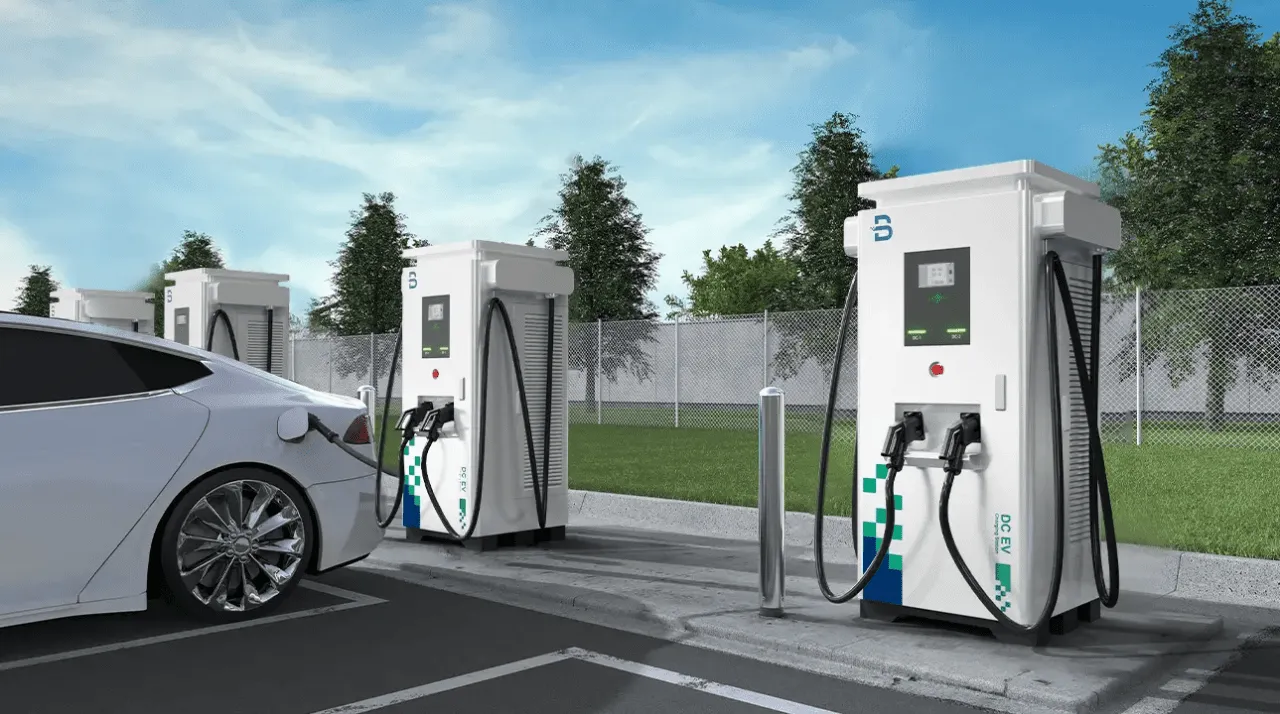
Planning a road trip in an electric car used to mean carrying real anxiety about where the next charge would come from. Thankfully, that’s changing fast. Finding EV charging stations near highway routes in India is a lot easier now than it was even two years ago — though it still needs some planning.
I did a Jaipur-to-Delhi round trip in an electric car last month, and while the charging stops added time compared to a petrol car, the experience was smoother than I’d braced myself for.
How Has Highway Charging Infrastructure Improved?
Quick answer: As of 2026, major highways like NH-48 (Delhi-Mumbai) and NH-44 have significantly increased fast-charging station density, with most stretches now having a charger available every 50-80 km on popular routes.
Major Highway Charging Networks in India
- Tata Power EZ Charge — one of the largest networks, present at many highway dhabas and malls
- Statiq — growing rapidly, with a good mobile app for real-time availability
- ChargeZone — strong presence on the Mumbai-Pune and Delhi-Jaipur corridors
- Ather Grid — mainly for two-wheelers but expanding fast
Planning Your Route: Step-by-Step
- Check your EV’s actual range (not the claimed figure — subtract 15-20% for real-world conditions)
- Use apps like Statiq or PlugShare to map charging stations along your route
- Plan charging stops at meal breaks so the time doesn’t feel “wasted”
- Always have a backup charging station option in case the primary one is occupied or down
How Long Does Highway Fast Charging Actually Take?
Most modern EVs with DC fast charging can go from 20% to 80% in 30-45 minutes at a highway fast charger — roughly the time it takes for a decent meal break, honestly.
Common Problems Riders Face (And How to Avoid Them)
- Charger not working: Always check app reviews/ratings for the specific charger before relying on it
- Long queues at popular chargers: Try charging slightly off-peak hours, avoiding weekend evening rush
- Payment app issues: Keep 2-3 different charging network apps installed as backup [link to our electric car running cost comparison here]
Is Home Charging Enough for Most EV Owners?
For daily use, yes, absolutely. Highway charging infrastructure mainly matters for occasional long trips, not day-to-day driving.
FAQs
Q1. Are highway EV charging stations reliable in India in 2026? Reliability has improved significantly, though it’s still wise to have a backup option planned on less-traveled highways.
Q2. How much does highway EV charging cost? Typically ₹15-20 per unit (kWh), meaning a full charge for a mid-size EV might cost ₹500-700.
Q3. Which highways have the best EV charging coverage in India? NH-48 (Delhi-Mumbai) and NH-44 currently have among the best charging infrastructure coverage.
Q4. Can I use any charging network app for all charging stations? No, different networks require their own apps, so it’s smart to install multiple apps before a long trip.
Q5. How do I find charging stations in real-time while driving? Apps like Statiq, PlugShare, and Tata Power EZ Charge show real-time availability and charger status.
Conclusion
EV road trips in India are genuinely more feasible now than most people assume — the key is planning ahead rather than winging it like you might with a petrol car. Download a couple of charging apps, map your route the night before, and build in slightly more time than you’d think you need. [Link to our best electric scooters guide here]
Alt text suggestions:
- “EV charging station on Indian highway”
- “Electric car charging at Tata Power EZ Charge station”
- “Map showing EV charging stations along highway route”
 P1
P1 P2
P2