

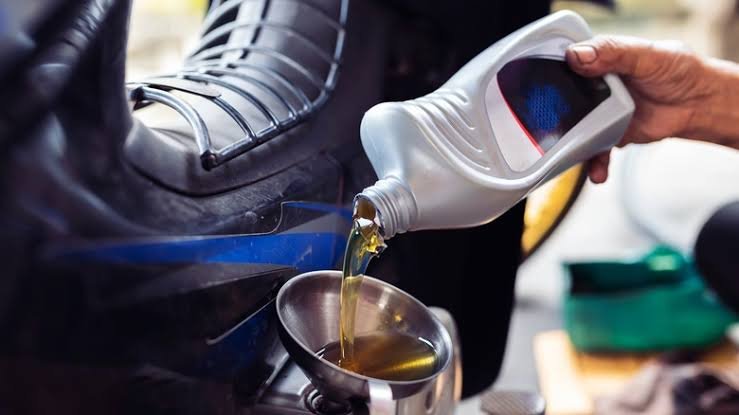
I get asked this question a lot by friends who’ve just bought their first bike — and honestly, the answer varies more than most people expect. Let’s clear up the confusion around the ideal bike engine oil change interval once and for all.
The General Rule of Thumb
Quick answer: Most manufacturers recommend changing bike engine oil every 3,000-5,000 km or every 3-4 months, whichever comes first, though this can vary based on riding conditions and oil type used.
Why Engine Oil Change Interval Isn’t One-Size-Fits-All
Riding mostly in stop-and-go city traffic puts more strain on the engine than smooth highway cruising, which means city riders might need slightly more frequent changes than the manufacturer’s baseline suggests.
Mineral vs Semi-Synthetic vs Fully Synthetic Oil
- Mineral oil: Cheapest option, but needs changing every 2,500-3,000 km
- Semi-synthetic oil: A good middle ground, typically lasting 4,000-5,000 km
- Fully synthetic oil: More expensive upfront but can last 6,000-8,000 km, offering better engine protection overall
Signs Your Bike Needs an Oil Change Sooner
- Engine sounds noticeably louder or rougher than usual
- Reduced mileage compared to normal
- Oil appears dark and gritty when checked (fresh oil is typically amber/golden)
- Difficulty in gear shifts, especially noticeable in manual bikes
How to Check Oil Level and Condition Yourself
- Park the bike on level ground and let the engine cool
- Locate the oil dipstick or sight glass (varies by bike model)
- Check color — fresh oil is amber, dirty oil turns dark brown/black
- Check level against the marked minimum/maximum indicators [link to our bike maintenance essentials guide here]
Cost of Oil Change: What to Expect
Expect to pay ₹300-800 for mineral oil changes and ₹800-1,500 for semi-synthetic or fully synthetic options, depending on your bike’s engine capacity and oil quantity required.
Does Riding Style Affect Oil Change Frequency?
Absolutely. Aggressive riding with frequent hard acceleration and high RPM usage degrades oil faster than gentle, steady-speed riding.
FAQs
Q1. How often should I change engine oil for daily city riding? For heavy city riding, consider changing slightly earlier than the manufacturer’s recommendation, around every 2,500-3,000 km.
Q2. Is synthetic oil worth the extra cost? Yes, for riders wanting better engine protection and longer intervals between changes, synthetic oil is generally worth it.
Q3. Can I mix different oil brands during a top-up? It’s best avoided; different oil formulations can react unpredictably when mixed.
Q4. What happens if I don’t change engine oil regularly? Delayed oil changes can lead to increased engine wear, reduced performance, and potentially costly long-term engine damage.
Q5. Does oil change interval differ between 100cc and 350cc bikes? The general interval guidelines are similar, though larger engines sometimes have marginally different manufacturer recommendations — always check your owner’s manual.
Conclusion
Engine oil is genuinely one of the cheapest ways to protect your bike’s biggest investment — the engine itself. Don’t stretch oil changes too far just to save a few hundred rupees; the long-term repair costs from neglect are far higher. [Link to our best 125cc bikes guide here]
Alt text suggestions:
- “Bike engine oil change process close-up”
- “Checking bike oil dipstick level”
- “Fresh vs dirty engine oil color comparison”
 P1
P1 P2
P2