

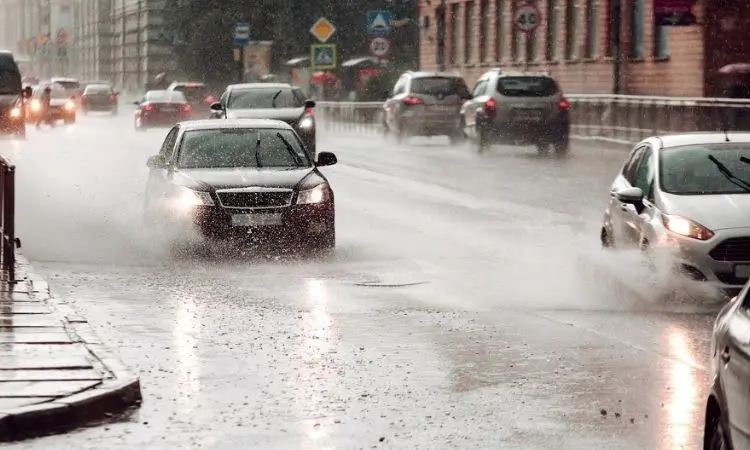
Monsoon season brings its own set of car problems — waterlogged roads, slippery surfaces, and that musty smell in the cabin that just won’t go away. These monsoon car care tips should help you avoid the worst of it this year.
Why Monsoon Prep Matters More Than People Think
Quick answer: Proper monsoon car care prevents costly issues like electrical short circuits from water ingress, reduced braking efficiency from worn tyres, and rust formation in the undercarriage — all common but preventable problems during India’s rainy season.
1. Check Tyre Tread Depth Before Monsoon Hits
Worn tyres significantly increase the risk of hydroplaning on wet roads. Tread depth below 1.6mm is dangerous in rain — get this checked and replace if needed before the season starts.
2. Test Wiper Blades and Replace If Worn
Streaky or squeaky wipers reduce visibility exactly when you need it most. Wiper blades typically need replacement every 12-18 months, sooner if you notice streaking.
3. Apply Rust-Proofing to the Undercarriage
Standing water and road salt exposure accelerate rust formation, especially in older cars. A rust-proofing treatment before monsoon can genuinely extend your car’s structural life. [Link to our car battery maintenance tips here]
4. Check Brake Performance
Wet roads demand more from your braking system. Get brake pads and discs inspected — any grinding noise or reduced responsiveness should be addressed immediately, not “after monsoon.”
5. Waterproof Electrical Connections
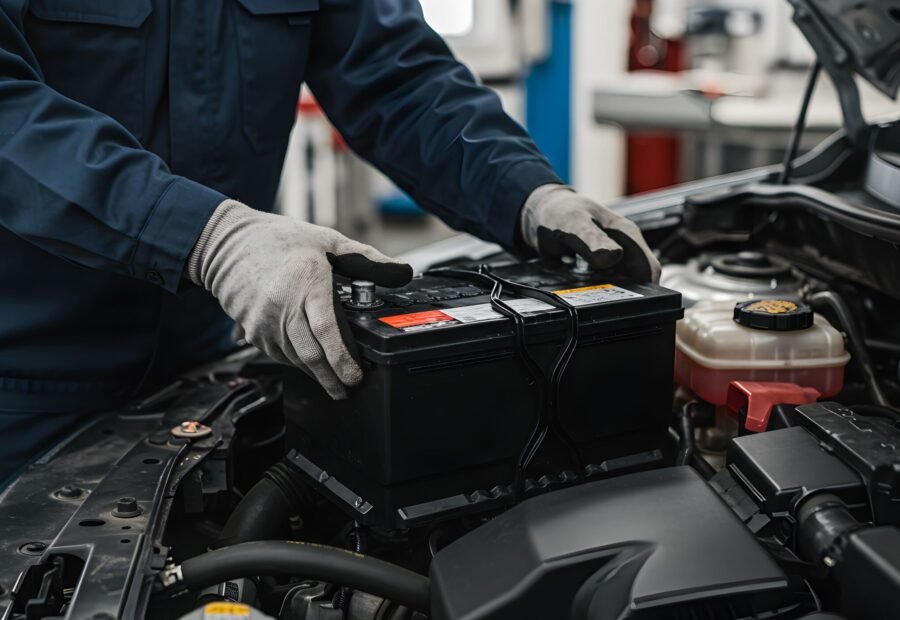
Water ingress into electrical connectors causes many monsoon-season breakdowns. Get a mechanic check spark plug wires, battery terminals, and fuse box seals for any water exposure risk.
6. Avoid Driving Through Deep Waterlogged Roads
If water level is above the exhaust pipe or reaches halfway up your wheels, avoid driving through it. Engine hydro-locking from water entering the intake is an expensive repair that’s entirely avoidable.
What to Keep in Your Car During Monsoon
- A basic tool kit and tyre repair kit
- An emergency contact list including nearest service centers
- A torch/flashlight for visibility during breakdowns
- Extra wiper fluid
FAQs
Q1. How do I know if my tyres are safe for monsoon driving? Check tread depth — anything below 1.6mm is unsafe and should be replaced before monsoon.
Q2. What should I do if my car goes through a waterlogged road accidentally? Avoid restarting the engine immediately if water entered the intake; get it towed and checked by a mechanic instead.
Q3. How often should wiper blades be replaced? Every 12-18 months typically, or sooner if you notice streaking or reduced wiping efficiency.
Q4. Is rust-proofing necessary for newer cars too? Yes, especially in regions with heavy monsoon exposure, rust-proofing benefits both new and older cars.
Q5. Can monsoon driving damage my car’s electrical system? Yes, water ingress into electrical connectors is a common cause of monsoon-related breakdowns if not properly sealed.
Conclusion
A bit of preparation before monsoon season can save you from expensive repairs and stressful breakdowns during the rainiest, most unpredictable months of the year. Get your car checked now rather than waiting for the first heavy downpour to expose a problem. [Link to our car battery maintenance guide here]
Alt text suggestions:
- “Car tyre tread depth check for monsoon”
- “Wiper blades cleaning windshield in rain”
- “Car driving through waterlogged road monsoon”
 P1
P1 P2
P2