

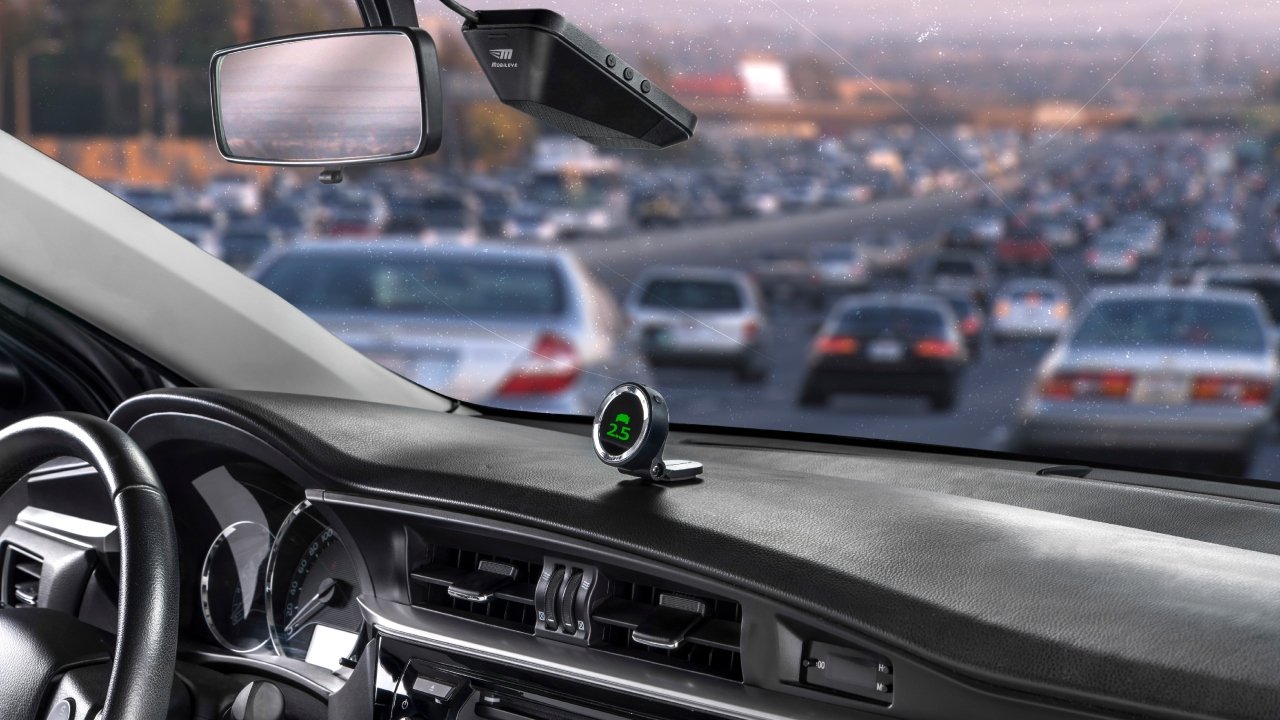
Heavy traffic brings out the worst driving habits in almost everyone — sudden lane changes, tailgating, impatient honking. These practical driving tips in traffic can genuinely make your daily commute safer and noticeably less stressful.
Why Do Traffic Mistakes Happen So Often?
Quick answer: Most traffic-related driving mistakes stem from impatience and poor anticipation — maintaining safe following distance, planning lane changes early, and staying calm during delays can significantly reduce accident risk in heavy traffic.
1. Maintain Safe Following Distance
Tailgating in traffic doesn’t actually get you anywhere faster — it just increases collision risk during sudden braking. Keep at least a 2-3 second gap even in slow-moving traffic.
2. Avoid Last-Second Lane Changes
Plan lane changes well in advance, especially near exits or turns. Sudden last-second maneuvers are a leading cause of minor accidents in congested traffic.
3. Don’t Block Intersections
Entering an intersection when you can’t clear it before the signal changes causes gridlock for everyone. Wait until you have clear space ahead before moving into an intersection.
4. Use Indicators Consistently
Even in slow traffic, signal your intentions clearly. Other drivers (and two-wheeler riders weaving through traffic) rely on your indicators to anticipate your movements. [Link to our bike safety tips guide here]
5. Avoid Distracted Driving in Traffic
Ironically, people feel “safer” checking their phones in slow traffic, but sudden traffic movement can catch distracted drivers off guard just as easily as at higher speeds.
6. Stay Calm During Long Delays
Road rage in traffic jams leads to poor decision-making — aggressive honking, unsafe overtaking attempts, and unnecessary confrontations. A few extra minutes stuck in traffic isn’t worth the risk of an accident or altercation.
7. Anticipate Two-Wheeler Movement
In Indian traffic conditions, bikes and scooters often weave unpredictably between lanes. Check mirrors frequently and avoid sudden lane shifts without properly checking blind spots.
Should You Use Traffic Apps to Plan Routes?
Yes, apps like Google Maps with real-time traffic data can help you avoid the worst congestion, saving both time and reducing exposure to high-risk traffic zones.
FAQs
Q1. What is a safe following distance in heavy traffic? At least a 2-3 second gap, even at low speeds, to allow adequate reaction time.
Q2. Why do accidents happen more often in stop-and-go traffic? Sudden braking combined with tailgating and distracted driving significantly increases collision risk in congested conditions.
Q3. Should I use hazard lights when stuck in heavy traffic? Generally, hazard lights should be reserved for actual emergencies or breakdowns, not routine slow traffic, to avoid confusing other drivers.
Q4. How can I stay calm during long traffic delays? Planning extra travel time, listening to calming music or podcasts, and accepting delays as part of the commute can help reduce frustration.
Q5. Are traffic navigation apps actually reliable for avoiding jams? Yes, real-time traffic apps are generally reliable and can meaningfully reduce time spent in heavy congestion.
Conclusion
Traffic frustration is universal, but how you respond to it genuinely affects your safety and everyone else’s around you. Small disciplined habits — proper following distance, early lane changes, staying calm — make daily commuting noticeably safer over time. [Link to our best 125cc bikes for daily commute guide here]
Alt text suggestions:
- “Heavy traffic jam on Indian city road”
- “Safe following distance illustration in traffic”
- “Driver checking mirror before lane change”
 P1
P1 P2
P2