

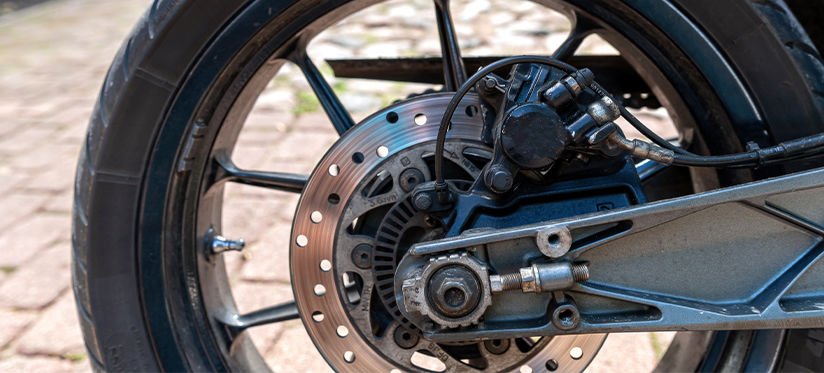
Replacing bike tyres more often than necessary is a genuine drain on your wallet, and often it comes down to avoidable riding habits rather than just “bad luck” with tyre quality. Here’s how to actually work on how to increase bike tyre life meaningfully.
What Really Affects Tyre Longevity?
Quick answer: Bike tyre life is most affected by tyre pressure maintenance, riding style (harsh braking and acceleration), road surface quality, and overall load carried — proper care can extend tyre life by 20-30% beyond average expectations.
1. Maintain Correct Tyre Pressure
Under-inflated tyres wear unevenly and faster on the edges, while over-inflated tyres wear more in the center. Check pressure weekly using a reliable gauge, ideally when tyres are cool.
2. Avoid Harsh Braking Habits
Sudden, hard braking causes uneven tyre wear, particularly on the front tyre. Practice progressive, smooth braking wherever possible instead of last-second hard stops.
3. Get Wheel Alignment Checked Periodically
Misaligned wheels cause uneven tyre wear that’s often not immediately visible. If you notice your bike pulling slightly to one side, get alignment checked promptly. [Link to our bike engine oil change guide here]
4. Avoid Overloading Your Bike
Carrying excessive weight — whether passengers or luggage — puts additional stress on tyres, accelerating wear. Stick to manufacturer-recommended load limits.
5. Rotate Tyres If Recommended by Manufacturer
Some bikes benefit from front-rear tyre rotation at specific intervals, evening out wear patterns. Check your owner’s manual for specific recommendations.
6. Park Away From Direct Sunlight for Extended Periods
UV exposure over time causes rubber to harden and crack, especially if the bike sits parked outdoors for days at a stretch. A simple cover helps significantly.
Signs Your Tyres Need Replacement
- Tread depth below the legal minimum (typically 1.6mm)
- Visible cracks or bulges on the sidewall
- Uneven wear patterns across the tyre surface
- Reduced grip noticeable during braking or cornering
Does Tyre Brand Choice Matter for Longevity?
Yes, genuinely. Premium tyre brands like MRF, CEAT, and Michelin generally offer better compound quality and longevity compared to unbranded budget alternatives, even if the upfront cost is higher.
FAQs
Q1. How often should I check my bike’s tyre pressure? Weekly checks are recommended, ideally when tyres are cool for an accurate reading.
Q2. Does riding style really affect tyre life significantly? Yes, harsh braking and aggressive cornering can reduce tyre life by 20-30% compared to smoother riding habits.
Q3. How long do bike tyres typically last? Depending on riding conditions and maintenance, bike tyres typically last 15,000-25,000 km.
Q4. Should I replace both tyres at the same time? Not necessarily required, but replacing both together ensures consistent handling and braking performance.
Q5. Does the type of road I ride on affect tyre lifespan? Yes, rough or poorly maintained roads accelerate tyre wear compared to smooth, well-maintained surfaces.
Conclusion
Small, consistent habits — proper pressure checks, smoother braking, and periodic alignment checks — genuinely extend tyre life more than any premium tyre brand alone can. Build these into your routine and you’ll notice both better mileage and safer rides. [Link to our best 125cc bikes guide here]
Alt text suggestions:
- “Checking bike tyre pressure with gauge”
- “Bike tyre tread wear pattern close-up”
- “Bike tyre replacement at service center”
 P1
P1 P2
P2