

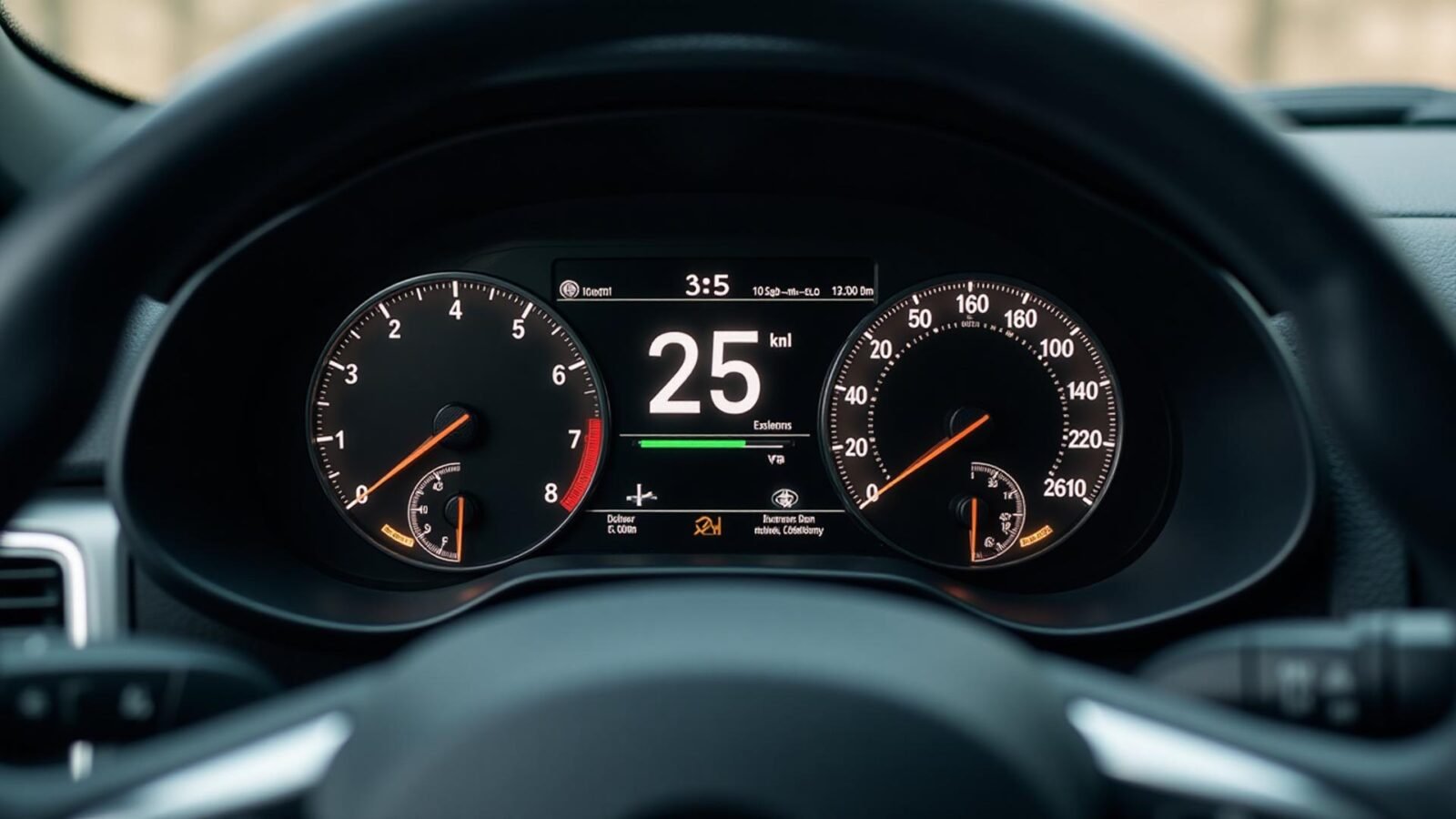
Every car owner has had that moment of frustration filling up the tank more often than expected. The good news is, a lot of factors affecting mileage are actually within your control. Here’s genuinely practical advice on how to improve car mileage without spending a rupee on aftermarket gadgets.
Does Driving Style Really Affect Mileage That Much?
Quick answer: Yes — aggressive acceleration and harsh braking can reduce fuel efficiency by 15-20%, making driving style one of the biggest controllable factors in your car’s actual mileage.
1. Maintain Steady Speeds
Constant acceleration and deceleration wastes fuel. On highways, using cruise control (where available) helps maintain a steady speed that optimizes fuel consumption.
2. Keep Tyres Properly Inflated
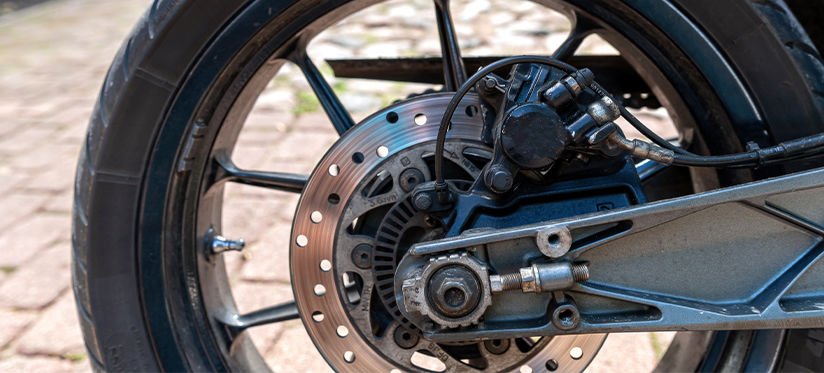
Under-inflated tyres increase rolling resistance, directly hurting mileage. Check tyre pressure monthly, and always check when tyres are cold for accurate readings.
3. Avoid Unnecessary Idling
Idling for more than a minute burns more fuel than restarting the engine. If you’re waiting somewhere for more than a minute or two, switch off the engine.
4. Reduce Unnecessary Weight
Extra weight in the boot — that toolkit you never use, or items you forgot to remove after a trip — genuinely affects mileage, especially in smaller cars. [Link to our fuel-efficient cars guide here]
5. Service Your Car on Schedule
A clogged air filter or worn spark plugs make the engine work harder than necessary, directly hurting fuel efficiency. Don’t skip or delay scheduled services to save money short-term.
6. Use the Right Gear at the Right Time
Driving in a lower gear than necessary at higher speeds increases fuel consumption. Shift up as soon as the engine comfortably allows it, rather than holding lower gears longer than needed.
7. Plan Routes to Avoid Traffic
Stop-and-go traffic drastically reduces mileage compared to steady-flow driving. Using navigation apps to avoid congestion isn’t just about time saved — it genuinely helps fuel economy too.
How Much Mileage Improvement Can You Realistically Expect?
Combining these habits consistently can realistically improve mileage by 10-15% over a few months, which adds up to meaningful savings over a year of regular driving.
FAQs
Q1. Does AC usage really affect car mileage significantly? Yes, running AC continuously can reduce mileage by 5-10%, though it’s still safer and more comfortable than driving with windows down at highway speeds.
Q2. Is it better to accelerate slowly or use full throttle occasionally? Gradual, smooth acceleration is generally better for mileage than frequent hard acceleration.
Q3. Does using cruise control actually improve mileage? Yes, on highways especially, cruise control helps maintain consistent speed, avoiding unnecessary fuel-wasting speed fluctuations.
Q4. How often should I check tyre pressure for optimal mileage? Monthly checks are recommended, always measured when tyres are cold for accuracy.
Q5. Can bad fuel quality affect my car’s mileage? Yes, poor-quality fuel can lead to inefficient combustion, reducing both mileage and engine performance over time.
Conclusion
Improving mileage isn’t about one dramatic change — it’s about consistently applying several small habits together. Start with tyre pressure and driving style since they’re free to implement, then build from there with regular servicing. [Link to our best fuel-efficient cars guide here]
Alt text suggestions:
- “Fuel efficiency dashboard display in car”
- “Checking tyre pressure for better mileage”
- “Steady highway driving for fuel economy”
 P1
P1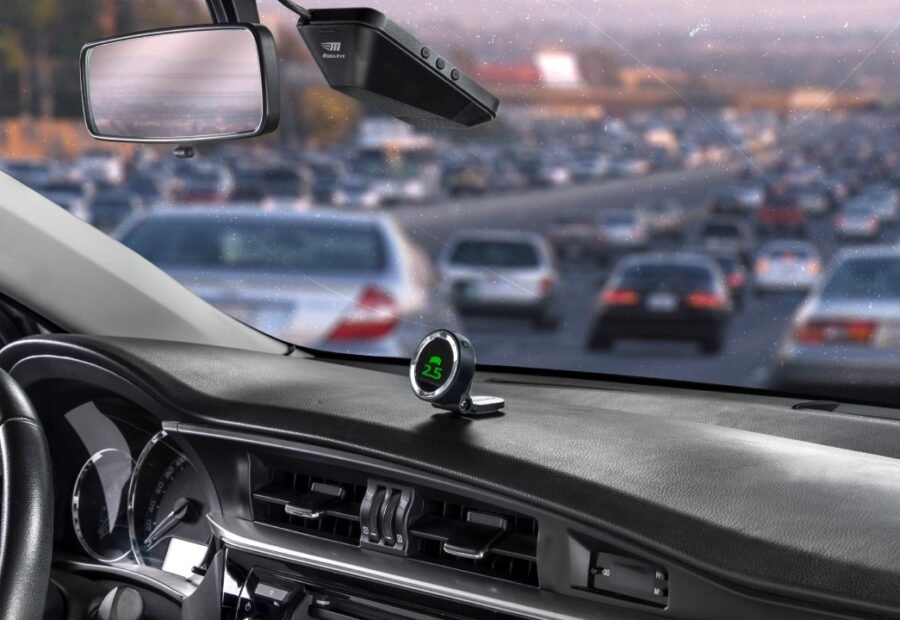 P2
P2